





Epigenetics, Ageing and Cosmetics
The cosmetics world is constantly driven by new trends. After biomimetic peptide-based products for the signs of ageing, the spotlight has now moved to epigenetics.
Before discussing epigenetics and its definition, it is useful to clarify which physiological processes cause skin ageing.
Skin ageing
Skin ageing is characterised by:
- Accumulation of macromolecular damage
- Alteration of tissue renewal
- Progressive loss of physiological integrity
One of the hallmarks of ageing is cellular senescence, caused by numerous endogenous stimuli such as overproduction of free radicals and exogenous stimuli such as UV radiation, nutrient deprivation and inflammation. Skin ageing can therefore be divided into chronological ageing and photoageing.
Chronological skin ageing
Chronological skin ageing results from the passage of time and is mainly influenced by genetic and metabolic factors. Aged skin shows epidermal thinning, fragility, wrinkle formation and loss of elasticity. Progressive keratinocyte dysfunction and slower epidermal turnover are associated with reduced barrier function and reduced wound-healing capacity.
Photoageing
Skin is constantly exposed to environmental aggressions that can lead to ageing. In particular, chronic sunlight exposure causes phenotypic changes globally defined as photoageing. Photoaged skin is characterised by heterogeneous epidermal thickness, accumulation of immune cells and pigmentation changes associated with senile lentigines.
Sun-exposed skin is affected by UVA (320–400 nm) and UVB (290–320 nm) radiation. UVA rays are less energetic but penetrate deeper into the skin. They induce damage to DNA, proteins and lipids and alter skin remodelling through the generation of reactive oxygen species (ROS).
These alterations mainly occur within the dermis: collagen fibres break down, causing wrinkles; elastic fibres degenerate; and irregular elastic tissue accumulates, producing solar elastosis.
What is epigenetics and how is it related to skin ageing?
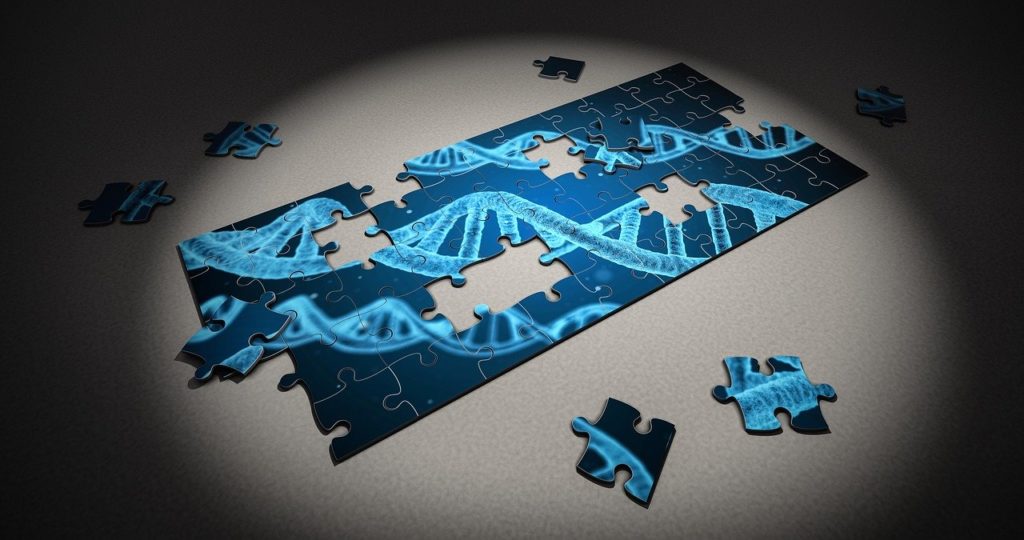
In its modern meaning, the word “epigenetics” refers to the study of changes that directly affect gene expression without being caused by changes in the DNA sequence itself.
The main epigenetic modifications include:
- DNA modifications, mainly DNA methylation
- Histone modifications, mainly methylation or acetylation
- Remodelling of higher-order chromatin structures
Epigenetic changes are relevant to cellular senescence and ageing. They can be influenced by endogenous factors such as intracellular signalling pathways and by exogenous stimuli linked to lifestyle, diet and environmental exposure, including UV radiation, smoking, exercise and antioxidant intake. The chromatin of older subjects is characterised by histone loss, incorporation of different histone variants, altered DNA methylation and histone modification patterns, recruitment of chromatin modifiers and altered transcription profiles.
Epigenetics and cosmetics
On the basis of what has been described above, the concept of epigenetics in cosmetics remains largely philosophical. Products capable of truly modifying gene expression would not fall within the cosmetic category. Nevertheless, taking care of the skin through cosmetics can contribute to maintaining healthy skin and delaying the progression of visible signs of time. The use of UV filters and of face and body creams containing moisturising and nourishing actives can help limit premature ageing and, in a broad sense, delay the manifestation of the epigenetic changes underlying skin ageing.
Bibliography
- Jean Gayon. From Mendel to epigenetics: History of genetics
- D. Orioli and E. Dellambra, Epigenetic Regulation of Skin Cells in Natural Aging and Premature Aging Diseases