

regolamento ce1223/2009 Tag

It is increasingly common to hear about cosmeceuticals, especially when referring to innovative and exclusive cosmetic products. But what does this term really mean? And how does it differ from a standard cosmetic? As the word itself suggests, cosmeceutical comes from the combination of cosmetic and...

The difficult period we are all experiencing has led to an exponential increase in the use of sanitising, disinfecting and biocidal products. After ethyl alcohol and sodium hypochlorite, Chlorhexidine is probably one of the most sought-after substances for these functions. Chlorhexidine is an odourless white crystalline...

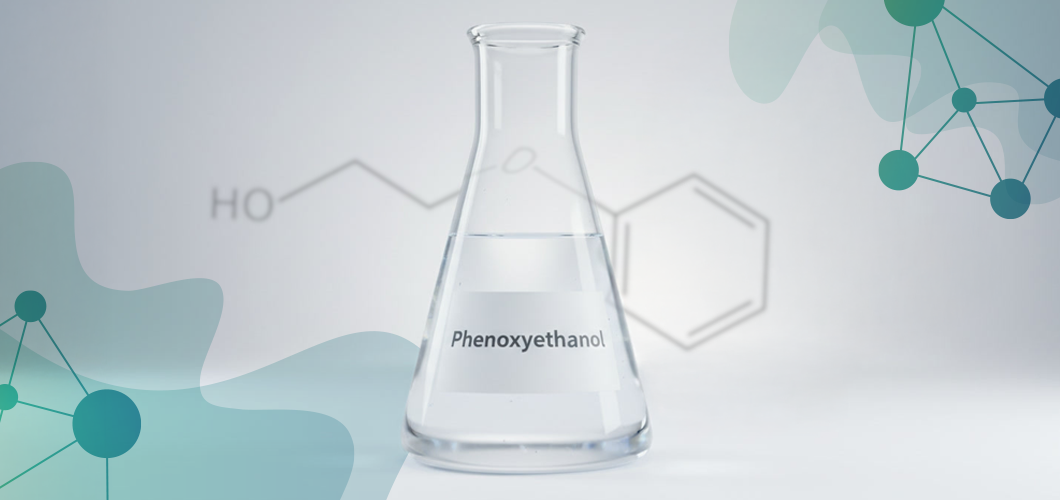
One of the most widely used cosmetic preservatives since parabens were heavily criticised is undoubtedly Phenoxyethanol. Thanks to its broad spectrum of action and excellent efficacy against a wide range of Gram-negative and Gram-positive bacteria, yeasts and moulds, it remains a preferred choice when developing...

Ethoxydiglycol, the ethyl ether of diethylene glycol (DEGEE), is a substance widely used in various sectors of the chemical industry. Thanks to its physical properties, it is an excellent solubiliser for both lipophilic and hydrophilic compounds. In cosmetics and dermatological preparations, the highest purity grade is...

One of the new features introduced by Regulation 1223/2009 is the notification to the European CPNP portal (Cosmetic Products Notification Portal). All cosmetic products, whether manufactured within the European Union or imported from non-EU countries, must be notified before being placed on the market. This procedure replaced...

It is increasingly common to read phrases such as “paraben-free” on the labels of most cosmetic products. The need for cosmetic marketing to include such wording stems from the alarmism spread on the internet and in newspapers about the alleged danger of parabens to human...